

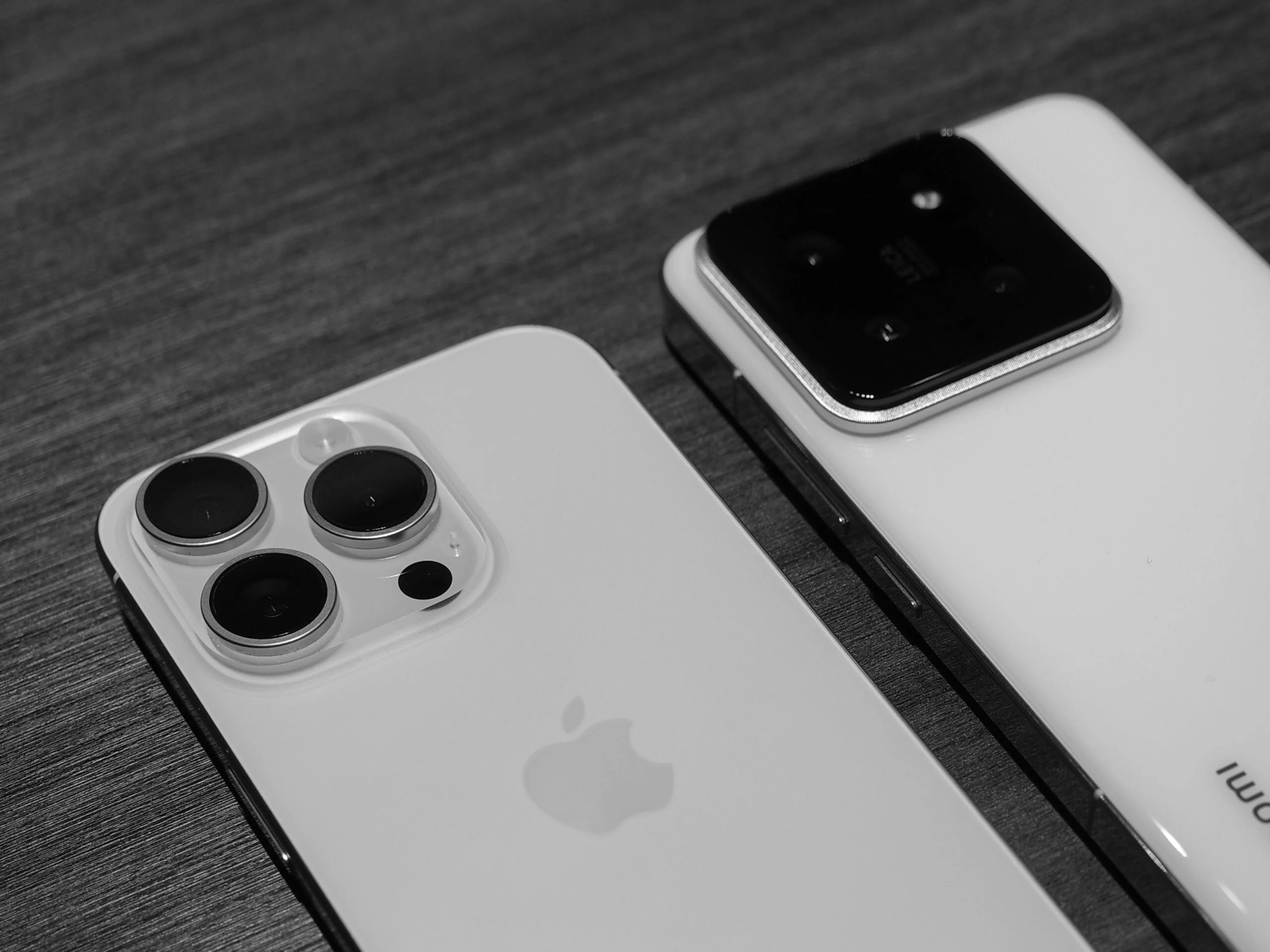
Buying a phone feels simple until you compare everything. Then small differences start changing what you might prefer. iPhones use Apple’s iOS software across Apple’s phone lineup. Android phones use Google’s Android software across many brands. Samsung, Google, OnePlus, Xiaomi, and others use Android.
The other side gives you many phones and prices. Your budget also changes which choice makes more sense. Your laptop, watch, and other devices also matter here. Some people want simple settings and long software support. Others want freedom, storage choices, and more phone styles. This article compares both choices using simple everyday examples. You will see where each system fits different needs. You will also see which features deserve your attention.
Price And Phone Choices Matter
Phone prices differ greatly between Apple’s phones and Android devices. Your budget should guide your search before brand names.
- iPhone vs Android comparison: Android offers more price choices overall.
- Apple vs Android: Apple sells fewer phone models each year.
- Which phone is best, iPhone or Android: Budget changes this answer.
- Apple or Android: Both offer phones for different needs.
- iPhone versus Android: Compare features before comparing brand names.
Android gives shoppers more models across many price levels. Some Android phones cost less than many iPhone models. Other Android phones reach prices near Apple’s premium models. Apple focuses its iPhone lineup around selected models. That makes Apple’s phone lineup easier to understand quickly. However, fewer choices also means fewer cheap options. Your budget should come before your favorite brand name. A cheaper Android phone might fit your needs well. A used iPhone might also fit your budget better. Check storage, camera quality, battery size, and update support.
Software Experience And Everyday Use
The software you use every day shapes your phone experience. Both systems handle calls, messages, apps, photos, and web browsing. The biggest differences appear through settings, sharing, and controls.
iOS Keeps Things More Consistent
Apple controls both iPhone hardware and iOS software directly. This gives iPhones a similar experience across supported models. Settings usually stay familiar when you switch iPhones. Apple also controls the App Store and system updates. Many people prefer this simpler setup for regular phone use. The tradeoff involves fewer ways to change system behavior.
Android Gives You More Freedom
Android gives phone makers more room for different features. Samsung adds features different from those found elsewhere. Google also adds its own software features to Pixel. This creates more choices for people who like settings. You can often change more parts of your home screen. Widgets, launchers, and other tools offer more control. Different brands also create different Android experiences for users.
Which Software Fits You Better?
Choose iOS if you prefer simple and familiar controls. Choose Android if you enjoy changing phone settings yourself. Neither system works exactly the same for every person. Your other devices should also influence this decision.
Cameras And Photos
Camera quality depends upon the phone model you choose. Comparing brands alone gives you an incomplete picture.
- iPhone camera: Apple offers strong video recording across recent models.
- Android camera phones: Android offers many camera styles and sensors.
- Phone photography: Different Android brands focus on different camera features.
- iPhone video: iPhones often provide simple video recording controls.
- Android photography: Some models offer stronger zoom or manual controls.
Apple puts strong focus on video quality and consistency. Many iPhones also produce similar results across different apps. Android phones vary more because different brands build cameras. Some Android models focus heavily on zoom photography. Others focus on night photos or large sensors. Google Pixel phones use software to improve many photos. Samsung phones often provide many camera controls and modes. Your choice should depend upon the photos you usually take.
Battery And Charging
Battery life depends upon the phone model and software. Screen size, brightness, games, and network use also matter. You should compare actual battery tests before buying anything.
iPhone Battery Life
Recent iPhones offer strong battery life for many users. Apple controls both hardware and software power management closely. This helps Apple tune the system around its hardware. Still, smaller iPhone models might have smaller batteries. Your exact model matters more than the brand alone.
Android Battery Options
Android phones offer many battery sizes across different models. Some large Android phones use batteries above five thousand milliamp hours. Gaming phones often use larger batteries for long sessions. Some Android models also offer faster wired charging speeds. Charging speeds vary widely between different Android manufacturers.
Charging And Accessories
Charging support differs between older and newer phone models. USB-C now appears across many modern phones and devices. This makes cable sharing easier across different products. Wireless charging also appears across many premium phones. Check charger support before buying your next phone.
Apps And Games
Both platforms offer millions of apps through official stores. Most popular services release apps for both systems. The differences appear through app rules and availability.
App Store Experience
Apple reviews apps before allowing them into its store. This creates tighter control around software distribution and payments. Some users prefer this because fewer outside sources exist. Others dislike restrictions around app installation and payment systems. Your needs should decide how much freedom you want.
Google Play Experience
Android offers the Google Play Store for most phones. Some Android phones also support other app stores. Android gives users more freedom with app installation. This freedom also means users should check app sources carefully. Unknown sources might bring security risks to your phone.
Gaming Choices
Both systems support major mobile games and services. iPhones often receive strong support from game developers. Android offers more hardware choices for gaming fans. Some Android phones include gaming-focused cooling systems. Your favorite games should guide your phone buying decision.
Updates And Phone Support
Software updates matter because phones remain useful for years. They also bring new features and security fixes regularly. Update support differs between Apple and Android brands.
- iPhone updates: Apple controls updates across supported iPhone models.
- Android updates: Support periods differ between phone manufacturers.
- Software support: Check promised update years before buying.
- Security updates: Longer support keeps older phones safer.
- Phone lifespan: Updates help extend useful phone ownership.
Apple usually makes iOS updates available across supported iPhones. Android support depends upon the company making your phone. Google and Samsung offer long support periods on newer models. Cheaper Android phones sometimes receive shorter support periods. Always check support details for your exact phone model.
Privacy And Security
Privacy matters because phones store personal information every day. Both systems offer security tools for users. However, their controls and business models differ somewhat.
Apple’s Privacy Controls
Apple puts strong emphasis on privacy controls. iPhones provide settings for app tracking and permissions. Users receive prompts before some apps track activity. Apple also uses hardware features for device security. The company builds many services around its own devices.
Android Privacy Controls
Android also provides app permission and privacy controls. Google gives users tools for checking app permissions. Android privacy settings differ between manufacturers and software versions. Samsung also adds privacy controls within its software. You should review permissions regardless of your phone choice.
Which System Feels Safer?
Security depends upon updates, settings, apps, and user behavior. A supported phone with current updates offers stronger protection. Avoid unknown apps and strange links on either system. Use strong passwords and screen locks on every phone.
Storage And File Management
Storage needs depend upon photos, videos, games, and apps. Cloud storage also changes how much local storage matters.
iPhones use fixed storage options when you buy them. You cannot add a memory card to modern iPhones. You choose storage capacity before buying your phone. This makes choosing enough storage important from the start. Android phones offer more storage choices across many models. Some Android phones also support removable memory cards. However, memory card support has become less common. Cloud services work with both iPhone and Android phones.
Android also gives users more direct file control. You might find folders easier to manage on Android. iPhones keep file access more controlled through iOS. People moving files often notice this difference quickly.
Working With Other Devices
Your current devices should influence your phone choice. A phone works differently inside different device families.
iPhone With Apple Devices
iPhones work closely with Macs, iPads, and Apple Watches. AirDrop makes nearby file sharing simple between Apple devices. Messages also work differently when your contacts use iPhones. Apple Watch features work best alongside an iPhone. This setup suits people already using several Apple products.
Android With Other Devices
Android phones work with Windows computers and many accessories. Google services also work across many brands and devices. Samsung phones offer special features with Samsung computers. Android also works with many different smartwatch brands. This gives you more hardware choices outside one company.
Mixing Different Brands
You do not need every device from one company. Both platforms work with many third-party services. Still, some features work better inside one brand family. Check your current devices before switching between phone systems.
iPhone Vs Android Market Share
Market share shows how widely each mobile system is used. It does not tell you which phone fits you.
StatCounter reports Android held about 67.6 percent worldwide recently. iOS held about 32.4 percent during the same period.
Those figures cover worldwide mobile operating system usage. They do not measure phone quality or user satisfaction. Market share also differs greatly between individual countries. Some countries show much stronger iPhone usage than others. Other regions have a much larger Android user base. These differences often connect with price and phone choice.
Search Engine Land reports over 1.56 billion iPhone users. Apple also remains one of the largest phone brands worldwide.
Which Phone Fits Different Users?
Your needs matter more than brand arguments between users. Different people value different phone features and services.
Pick iPhone For Simplicity
iPhone suits people wanting simple hardware choices and iOS. It also fits people using Macs or Apple Watches. Long software support is another reason people choose iPhone. Video recording also remains a common reason for choosing iPhone.
Pick Android For More Choice
Android suits shoppers wanting many models and prices. It also fits people wanting more control over settings. Many Android phones offer larger batteries and faster charging. Some models also provide memory cards or special hardware.
Think About Your Budget First
Budget often changes the answer more than brand preference. Android offers more phones across lower price ranges. Apple’s older models provide another way into iPhone ownership. Used phones also provide choices within smaller budgets. Always check battery condition when buying an older phone.
Common iPhone and Android Myths
Many phone debates rely upon old information or guesses. Modern phones have changed many differences between both systems.
Some people say Android phones always have better batteries. That claim ignores differences between individual phone models. Some people also say iPhones always have better cameras. Camera results depend upon the exact phone model. Another common claim says Android phones lack strong security. Modern Android phones include many security and privacy controls. Some people say iPhones never offer customization options. Modern iOS versions offer more customization than older versions.
The right comparison starts with the exact phones involved. Compare two models instead of comparing whole operating systems.
Wrapping It Up
The iPhone vs Android choice depends upon your habits. Do not choose based on online arguments or brand loyalty. Look at price, software, cameras, updates, storage, and accessories. Your current devices also deserve careful attention before switching. iPhone offers a controlled experience with strong Apple integration. Android offers many models with wider hardware choices. Both systems handle normal phone tasks extremely well. Your best choice comes from matching features with needs. Before buying, compare two exact models side by side. That simple step gives you a much clearer answer.
Frequently Asked Questions
Which is better, Android or iPhone?
Neither system fits every person in the same way. iPhone suits people wanting simple software and Apple device integration. Android suits people wanting more phone choices and controls.
Which is better, Android or iOS?
Android offers more hardware choices across different brands and prices. iOS offers consistent software across supported Apple phone models. Your budget and other devices should guide your choice.
What can iPhones do that Androids cannot?
Some Apple features work closely across iPhone, Mac, and Watch. AirDrop and certain Apple services provide tight device integration. Android offers different sharing and device connection options.
Why do people choose iPhone over Android?
Many people like Apple’s simple software and device connections. Others prefer iPhone cameras, video tools, or long software support. Personal habits often influence this choice more than specifications.
Which phone is World No. 1?
There is no single answer without defining the ranking. Apple leads some sales rankings while Android dominates global usage. StatCounter currently shows Android leading worldwide mobile operating-system usage.


