

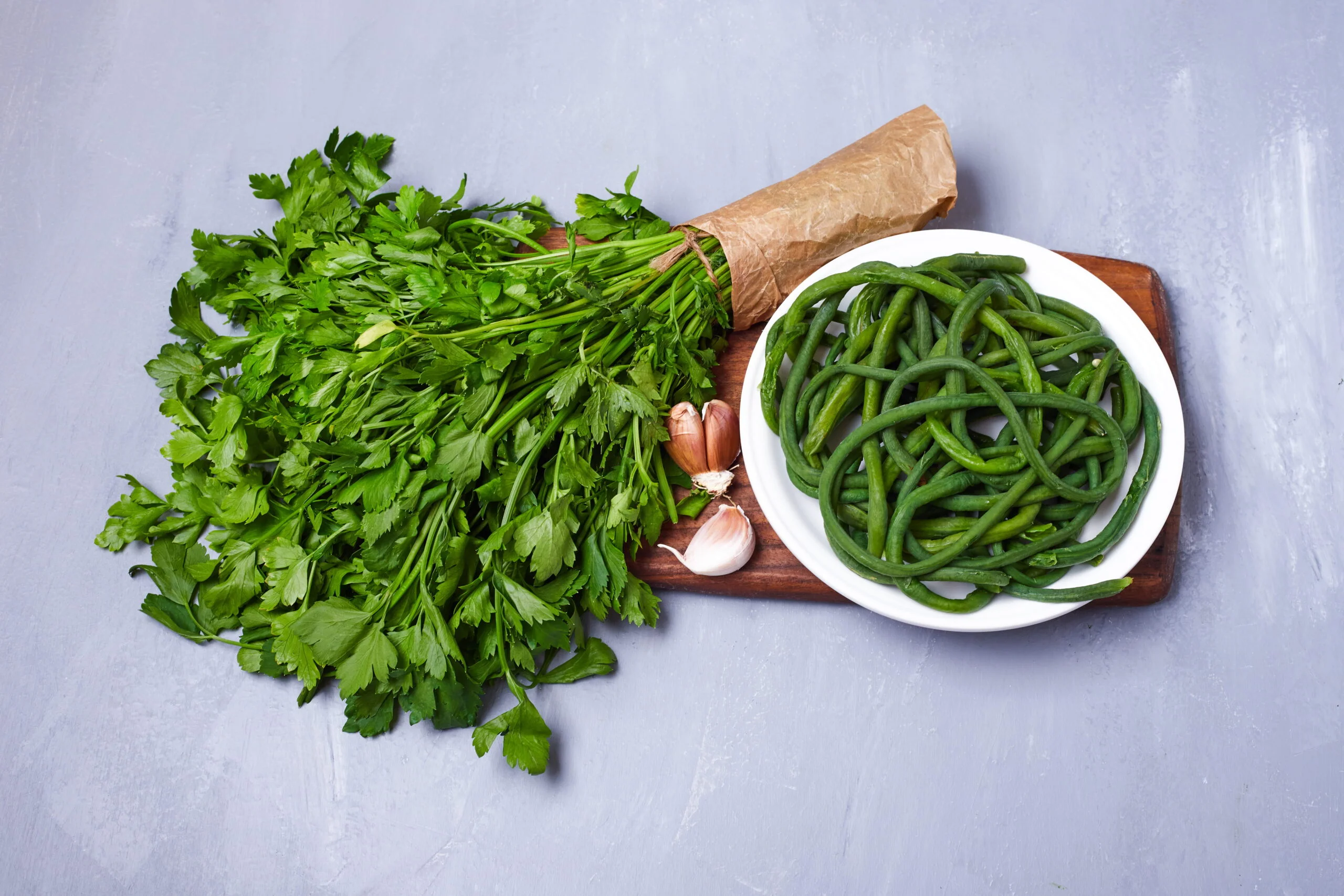
Pravi celer is a Bosnian and Croatian term that means true celery or real celery. It refers to the whole celery plant grown in its traditional, natural form, including the stalks, leaves, seeds, and root. Unlike the mild, pale celery most people find in grocery stores, pravi celer has a stronger, earthier flavor.
It has been used in Balkan and Central European kitchens for generations, both as food and as part of traditional home remedies. This guide covers what pravi celer actually is, its real nutritional benefits, and simple ways to cook, grow, and store it.
A Closer Look at Pravi Celer
Pravi celer is the traditional form of celery, known scientifically as Apium graveolens. It belongs to the same plant family as carrots and parsley. The word “pravi” means true or real, and “celer” means celery, so together the term simply means true celery.
Unlike modern grocery store celery, which is bred for mild flavor and pale, thick stalks, praviceler is often grown for the whole plant. People use the crunchy stalks, the aromatic leaves, the seeds, and the root, which is also called celeriac. Because so little of the plant goes to waste, it has stayed popular across generations of home cooking.
Where the Term Comes From
The phrase praviceler comes from Slavic languages spoken across the Balkans. Families in this region have grown the plant in home gardens for centuries, valuing it for its strong flavor and its connection to simple, natural cooking. In many households, using praviceler instead of standard supermarket celery is a way of keeping older food traditions alive. It represents a preference for whole, unprocessed ingredients over convenience produce.
What Makes Pravi Celer Nutritious
Pravi celer is made up mostly of water, which makes it naturally low in calories and helpful for staying hydrated. It also provides a mix of vitamins and minerals, including vitamin K, vitamin C, potassium, and folate. The plant contains dietary fiber, which supports digestion, along with plant compounds such as apigenin and luteolin that act as antioxidants. None of this makes pravi celer a cure for anything, but as part of a balanced diet, it is a genuinely nutrient-dense, low-calorie vegetable.
Pravi Celer vs Regular Celery
People often assume praviceler and the celery sold at most grocery stores are the same thing. They are related, but not quite identical in practice. Regular grocery store celery is bred specifically for its stalks. It tends to be mild, pale green, and consistent in size, which makes it easy to mass-produce and sell year-round.
Pravi celer, on the other hand, is grown and used as a whole plant. The stalks are usually darker and more fibrous, the leaves are treated as a real ingredient rather than a garnish, and the root, or celeriac, is used just as often as the stalks themselves.
The flavor difference is the easiest way to tell them apart. Regular celery tastes light and slightly sweet. Praviceler has a bolder, more herbal, almost peppery taste that holds up well in cooked dishes like soups and stews. If a recipe calls for a small amount of celery as background flavor, regular celery works fine. If you want celery to actually stand out in the dish, Praviceler is usually the better choice.
Health Benefits Backed by Real Nutrition Science
Supports digestion. The fiber and high water content in pravi celer help food move through your digestive system more comfortably and may reduce bloating over time.
Supports heart health. Potassium is known to help the body manage healthy blood pressure levels as part of an overall balanced diet. Pravi celer is not a substitute for medication, but it can be a useful addition to a heart-conscious eating pattern.
Supports the immune system. Vitamin C plays a well-documented role in normal immune function, and pravi celer is a reasonable source of it.
May ease minor inflammation. The plant contains antioxidants that help the body manage everyday oxidative stress. This is not a treatment for arthritis or chronic pain, but some people find that including more antioxidant-rich vegetables in their diet supports general comfort over time.
Supports hydration and natural elimination. Since pravi celer is roughly 95 percent water, it helps you stay hydrated, and its fiber content supports your body’s normal, natural waste elimination process.
If you are managing a specific health condition or taking medication, especially for blood pressure, talk with your doctor before making significant changes to your diet.
Pravi Celer in Traditional Medicine
Long before it became a common food, pravi celer was used in traditional remedies across the Mediterranean and the Balkans. Older generations used the seeds and roots in home remedies meant to support digestion and calm the body. Today, this history mostly lives on as folk tradition rather than clinical practice, though the underlying vegetable does carry real, modern, nutritional value. Some people still drink celery tea in the evening as part of a calming bedtime routine, more for the ritual than any proven medical effect.
How to Cook With Pravi Celer
Pravi celer works well in more dishes than most people expect.
- Add chopped stalks and leaves to soups, stews, and vegetable broths for extra flavor
- Slice it raw into salads alongside apples for a fresh, crisp bite
- Blend it into juices or smoothies for a light, hydrating drink
- Roast it until soft for a nutty, caramelized side dish
- Mash the root like you would potatoes for a lighter side dish
- Add it to stir-fries near the end of cooking so it keeps some crunch
Cooking methods vary, but the nutrients in pravi celer generally stay well preserved no matter which method you choose.
Growing and Storing Pravi Celer at Home
Pravi celer is fairly easy to grow if you can keep the soil consistently moist. It needs regular watering, a bit of sunlight, and does fine in containers if you do not have garden space. Once harvested, wrap the stalks loosely in a damp cloth and store them in the refrigerator, where they should stay fresh for a couple of weeks. Keep the root in a cool, dry spot away from direct heat.
When shopping for fresh celery, look for bright green stalks that feel firm and snap cleanly when bent. The leaves should look fresh and smell fragrant. Avoid any celery that looks brown, feels soft, or has soft dark spots, since these are signs it is past its best.
Traditional and Modern Recipes
Older European recipes often built entire soups around pravi celer, including celerova juha, a traditional celery soup found across parts of the Balkans. Modern cooks have found new ways to use it too, from adding it to green juices and smoothies to pairing celery sticks with peanut butter for a quick snack. Roasted celeriac with a bit of olive oil is another simple way to enjoy its nuttier side.
Possible Side Effects and Who Should Be Careful
Pravi celer is safe for most people to eat regularly with no issues. A few points are worth keeping in mind:
- People with allergies to related plants like carrots or parsley may also react to celery
- Eating very large amounts can cause digestive discomfort for some people
- Pregnant or breastfeeding women should speak with a doctor before consuming large amounts
- If you take medication for blood pressure, check with your doctor before adding a lot of celery to your diet
- As with any new food, it is best to introduce it gradually and see how your body responds
Wrapping It Up
Pravi celer is simply true, traditional celery, grown and used in its whole, natural form. It brings real nutritional value to your kitchen, from hydration and fiber to vitamins that support everyday health. Whether you eat it raw in a salad, roasted as a side dish, or simmered into a warm soup, it is an easy, low-cost way to add more whole, natural food to your meals.
Frequently Asked Questions
What does pravi celer mean?
Pravi celer means true celery or real celery. It describes the traditional, natural form of the celery plant grown across the Balkans and Central Europe.
Is Pravi Celer different from regular celery?
Yes. Regular grocery store celery is bred to be mild and pale. Pravi celer is more robust in flavor and is often used as a whole plant, including the leaves, seeds, and root.
Can I drink Pravi Celer juice every day?
Most people can enjoy it in moderate daily amounts as part of a balanced diet. It is a good source of hydration, though it should not replace other food groups.
What are the main health benefits of Pravi Celer?
It supports digestion, provides hydration, offers antioxidants, and contains nutrients like potassium and vitamin C that support normal heart and immune function.
Is Pravi Celer good for weight loss?
It is low in calories and high in fiber and water, which can help you feel full. It works best as part of a broader healthy eating pattern rather than as a standalone solution.


