

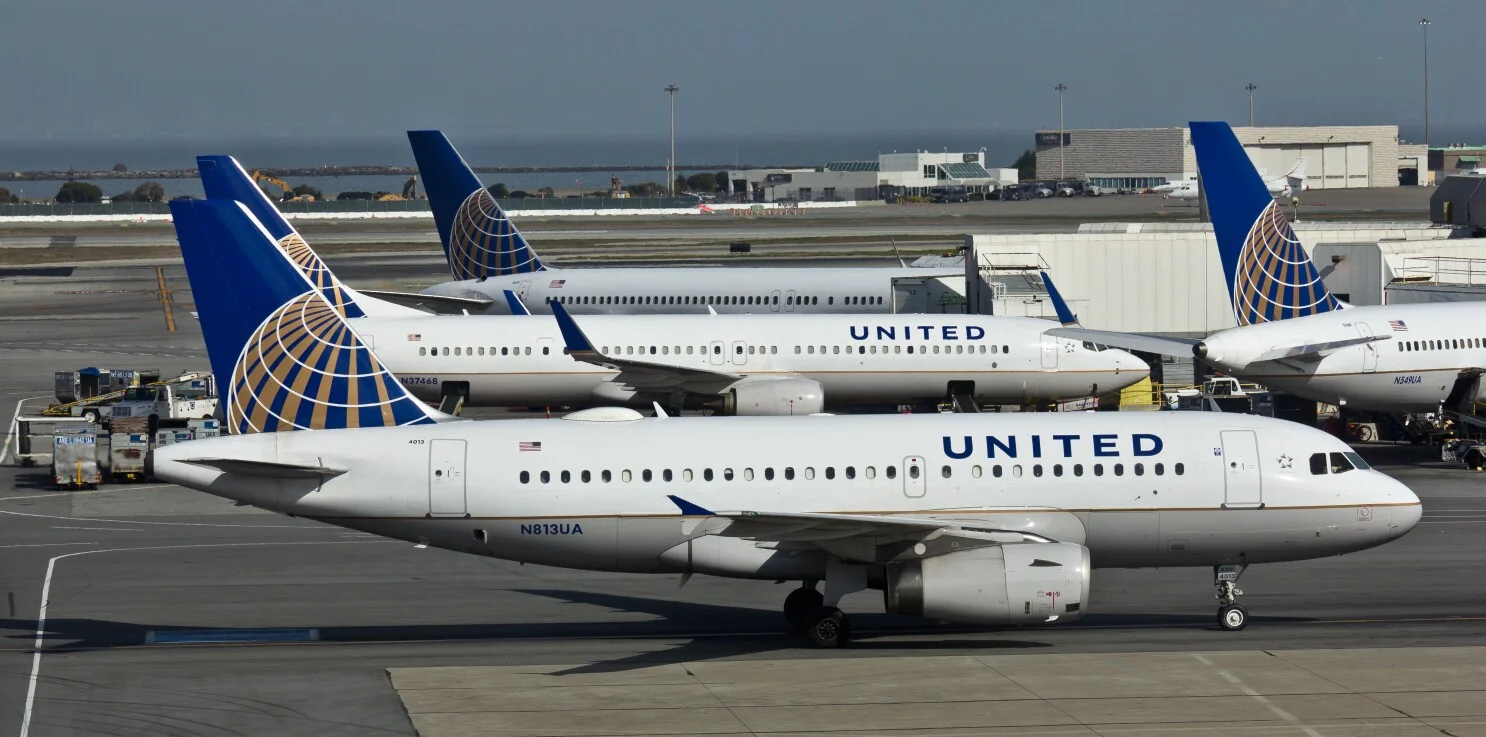
United Airlines Flight UA770 made an unplanned landing after the crew picked up a cabin pressure warning mid-flight. The plane was a Boeing 787-9 Dreamliner heading from Barcelona to Chicago. Instead of crossing the Atlantic, the pilots turned the aircraft toward London Heathrow and landed it safely.
No one got hurt. The crew followed standard safety steps, and ground teams checked the aircraft after landing. Passengers got new flights, hotel rooms, and meal vouchers while United sorted out the next steps.
This kind of diversion happens more often than people think. Below, you’ll find what caused it, how the crew handled it, and what it means for anyone flying on a 787 today.
What Happened on Flight UA770
About 90 minutes into the United Airlines Flight UA770, while cruising near 37,000 feet, the cockpit crew got a warning about the cabin pressure system. The Boeing 787-9 has built-in monitors for this system, and one of them flagged a fault.
The pilots did not wait to see if the warning would clear on its own. They contacted air traffic control, declared an emergency, and asked for the nearest suitable airport. London Heathrow had the runway space and emergency support needed, so the crew picked it as the new destination.
The descent was steady and controlled. The plane landed at Heathrow without further trouble, and passengers got off the aircraft the normal way.
Why the Crew Declared an Emergency
A cabin pressure warning sounds scary, but it does not always mean the cabin has lost pressure. It means a sensor or system tied to pressure control showed a fault.
Here’s why that still counts as an emergency: at cruising altitude, the air outside the plane is too thin to breathe. The pressurization system pulls in outside air, compresses it, and keeps the cabin at a pressure similar to standing on a mountain about 6,000 to 8,000 feet high.
If that system fails partway through a flight, the cabin loses pressure over time. Airline safety rules treat every pressure warning as a real emergency, even if the cabin still feels normal. That rule protects passengers before a small problem turns into a bigger one.
In this case, the cabin pressure stayed normal and the oxygen masks did not drop. The crew still treated it as serious and diverted right away, which is exactly what the training says to do.
What Does Squawk 7700 Mean
You might have heard the term “squawk 7700” connected to this flight. Here’s what it means in plain terms.
Every plane sends a code to air traffic control through its transponder. Squawk 7700 is the universal code for “general emergency.” When a pilot enters this code, every radar screen tracking that airspace shows the plane in a different color, and controllers give it priority over everything else.
For UA770, squawking 7700 told controllers to clear a path to Heathrow, hold other traffic back, and get emergency crews ready on the ground. It does not mean the plane is about to crash. It means the crew wants extra support and a clear runway, and they want it fast.
How the Crew Handled the Situation
The pilots stayed in control of the aircraft the whole time. Once the diversion was set, they worked through a checklist built for pressure system faults, kept the descent slow and steady, and stayed in contact with controllers the entire way down.
The cabin crew had their own job. They walked through the aisles, explained what was happening in simple terms, and checked on passengers who needed extra help, including families with small kids and older travelers. Flight attendants answered questions calmly, even as the plane changed course over the Atlantic.
Good training shows up in moments like this. Everyone on the plane had a job, and everyone did it without panic.
What Passengers Experienced
For the people on board, the first sign that something was off came when the plane started descending earlier than expected. Some noticed the flight path bending back toward Europe instead of continuing west.
Within minutes, the crew explained the situation over the intercom. That early update mattered. Passengers said it kept the mood calm instead of letting rumors spread through the cabin.
After landing, passengers waited on the ground while United arranged the next steps. Some described the wait as long, but most agreed the crew handled the situation well and kept everyone informed.
Emergency Landing vs Diversion: What’s the Difference
People often mix up these two terms, so here’s a quick breakdown.
An emergency landing means the plane lands right away, often at the closest airport, because of a problem that needs attention now. A diversion means the plane changes its planned destination and flies to a different airport instead, and the wait time often grows longer if the new airport sits far from the original route.
UA770 was both. The crew declared an emergency (squawk 7700) and diverted from its original route to Chicago, landing instead at London Heathrow. The emergency declaration gave the flight priority. The diversion changed where it ended up.
Boeing 787 Pressurization Issues: A Quick Look
The Boeing 787-9 Dreamliner has one of the strongest safety records among wide-body jets in service today. That said, no aircraft type is free from system faults, and pressurization is one area regulators have watched closely in recent years.
Since 2023, Boeing has issued service bulletins covering pressurization and bleed air systems on the 787. The FAA followed up with airworthiness directives aimed at the same systems in late 2024. These updates do not point to a design flaw across the fleet. They reflect how aviation regulators respond to real-world data by tightening inspection and maintenance rules.
After the UA770 diversion, the aircraft went through a full technical check before returning to service, which is standard practice after any emergency landing.
How Common Are Flight Diversions
Emergency diversions happen far more often than most travelers realize, and most end the same way UA770 did: safely, with no injuries.
- Roughly 9,000 to 12,000 diversions happen worldwide each year.
- Most are precautionary, not life-threatening.
- Cabin pressure warnings are one of the top causes, along with medical issues and mechanical faults.
- The ratio of diversions to actual accidents is extremely low, which shows the safety systems built into modern planes work as designed.
If you fly often, the odds say you might experience a diversion at some point. The odds also say it will end with a normal landing and a delay, not a disaster.
Flight Diversion Passenger Rights
If your flight gets diverted, you often have rights depending on where you’re flying and why the diversion happened.
For flights covered by EU rules (including many United routes through Europe), passengers are often entitled to meals, hotel stays, and communication support if a diversion causes a long delay. Compensation for the delay itself depends on the cause. Diversions caused by safety issues, like a pressure warning, often fall under “extraordinary circumstances,” which limits cash compensation but still requires the airline to take care of passengers on the ground.
Keep your boarding pass, any receipts for meals or hotels, and notes on timing. If you need to file a claim later, this information backs up your case.
United Airlines’ Response
After landing, United confirmed that the crew followed all safety procedures and that everyone on board was safe. The airline arranged hotel rooms, meal vouchers, and new flights for passengers affected by the diversion.
United also confirmed the aircraft went through a technical inspection before returning to service, in line with current FAA reporting rules for diversions tied to system warnings.
Frequently Asked Questions
What caused the United Airlines Flight UA770 emergency landing?
The crew got a warning about the cabin pressure system while flying at 37,000 feet. Even though the cabin pressure stayed normal, safety rules require pilots to treat this kind of warning as an emergency, so the crew diverted to London Heathrow.
What does squawk 7700 mean?
Squawk 7700 is the universal transponder code pilots use to tell air traffic control they have a general emergency. It gives the flight priority for routing, descent, and runway access.
Is it safe to fly after a cabin pressure warning like this?
Yes. Pressure warnings trigger backup systems and emergency procedures built into the aircraft specifically for this reason. After a diversion like UA770’s, the plane goes through a full technical check before flying again.
Do passengers get compensation for a flight diversion?
It depends on the cause and the route. Diversions linked to safety issues often limit cash compensation, but airlines still have to provide meals, hotel stays, and rebooking help for passengers stuck on the ground.
How common are emergency landings like this?
More common than most people assume. Tens of thousands happen worldwide each year, and the vast majority end with a safe landing and no injuries, the same way UA770 did.


