

A wool sweater looks lovely until one wrong wash ruins it. Hot water, rough rubbing and strong soap often cause trouble. Your sweater might shrink, lose its shape or feel rough afterward. The right washing method helps your wool clothes last longer.
This guide explains how to wash a wool sweater safely at home. You’ll learn about hand washing, machine settings, drying methods and common mistakes. You’ll also find simple tips for older sweaters. The goal is simple: clean your wool sweater without damaging its soft feel or shape.
Prepare Your Wool Sweater Before Washing
Before washing, check the sweater and gather your supplies. A few small steps on ho to wash a wool sweater help prevent damage during cleaning.
- Care Label: Check whether the sweater allows hand or machine washing.
- Empty Pockets: Remove tissues, coins and anything tucked inside.
- Turn It Inside Out: Protect the outer surface during washing.
- Sort Similar Colors: Keep dark sweaters away from pale garments.
- Check for Stains: Treat visible marks before washing the sweater.
Don’t skip the label, even if the sweater looks sturdy. Wool blends often have different care needs. Follow the instructions for your specific garment.
How to Wash a Wool Sweater by Hand
Hand washing suits many wool sweaters, especially delicate knits. Use a clean basin and cool or lukewarm water. Avoid sudden changes in water temperature. Choose a mild wool wash detergent. Then handle the sweater gently throughout the process.
Step 1: Fill a Basin With Water
Fill a clean basin with lukewarm water. Aim for around 30°C, unless the label says otherwise. Add a small amount of wool detergent. Mix it into the water before adding your sweater. This helps prevent concentrated soap from touching one spot.
Step 2: Soak and Gently Wash
Turn the sweater inside out before placing it underwater. Press it gently until water reaches the fibers. Let it soak for about ten minutes. Don’t scrub, twist or rub the fabric hard. Rough movement might cause wool fibers to tighten together.
Step 3: Rinse Without Twisting
Drain the soapy water and refill the basin. Rinse with clean water at a similar temperature. Press the sweater gently to remove soap. Repeat until the water looks clear. Never wring the sweater like a towel. Woolmark recommends gentle handling and thorough rinsing.
How to Machine Wash Wool Safely
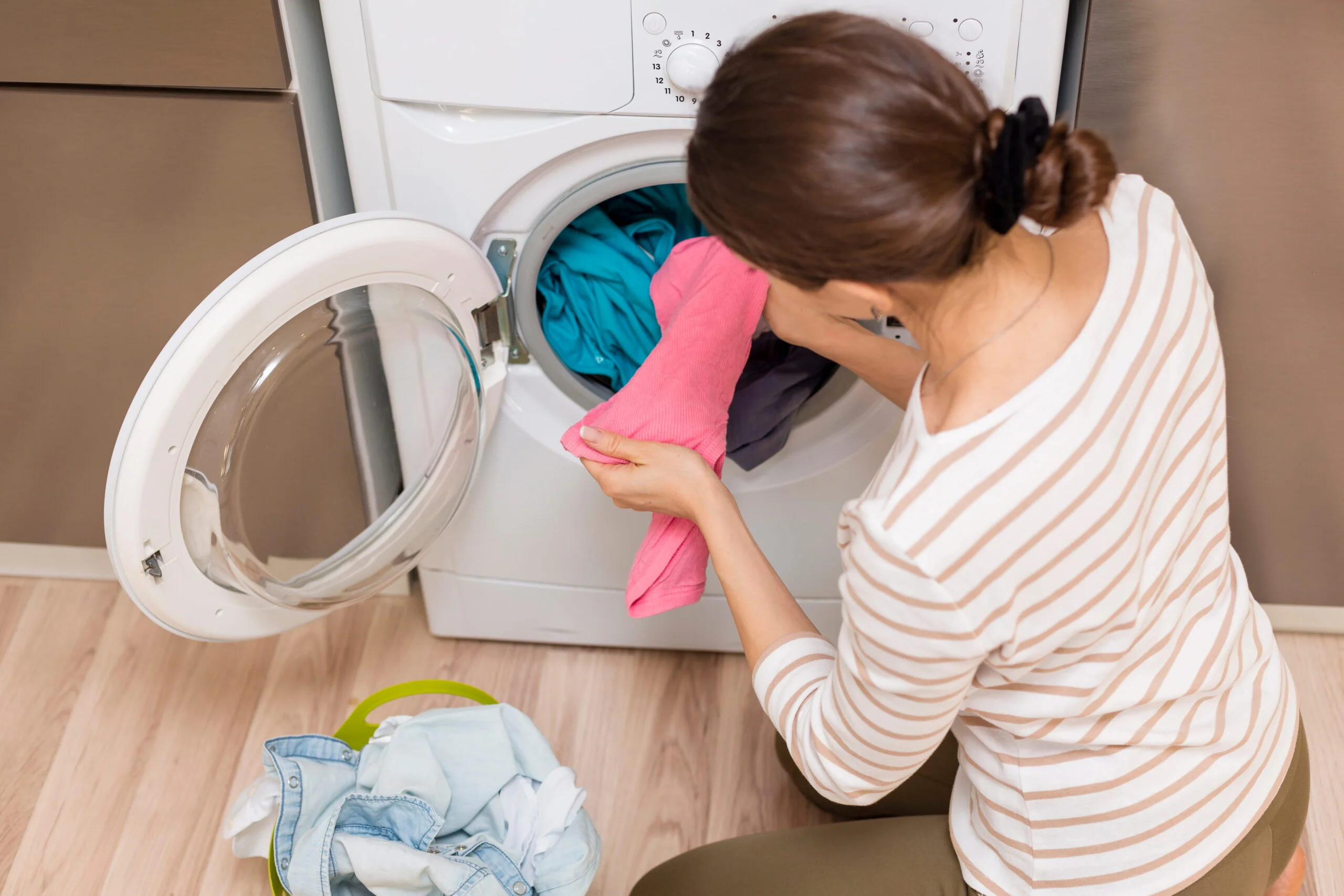
Some sweaters allow machine washing, but check first. Use a wool cycle if your washer has one. Otherwise, choose a gentle or delicate cycle. Keep the water temperature low, as instructed.
- Check the Label: Machine wash only when the care label permits it.
- Use a Laundry Bag: Place the sweater inside a mesh bag.
- Choose Wool Wash: Add mild detergent made for wool garments.
- Select a Gentle Cycle: Choose the wool or delicate setting.
- Remove It Promptly: Take the sweater out after the cycle ends.
Avoid washing wool with heavy jeans or rough clothes. Their movement might pull or stretch the knit. Don’t use a regular hot wash cycle. Woolmark advises using the wool setting or cold delicate cycle when suitable.
Drying a Wool Sweater Without Losing Its Shape
Drying matters just as much as washing. Wet wool feels heavier and stretches more easily. Hanging it might pull the shoulders down. High heat might shrink or damage the fibers. Flat drying helps the sweater keep its shape.
Remove Extra Water Gently
Lay the sweater on a clean towel. Roll the towel and sweater together loosely. Press gently to draw out extra water. Don’t twist the bundle or squeeze hard. Avoid pulling the sweater while it’s wet.
Reshape It on a Flat Surface
Place the sweater on a fresh, dry towel. Smooth the sleeves and body into their usual shape. Keep the edges even and avoid stretching them. Let it dry flat in a shaded, airy spot. Turn it over once the top feels dry.
Keep It Away From Direct Heat
Don’t place wool beside a heater or hot radiator. Avoid direct sunlight for long periods. Don’t tumble dry unless its care label allows it. Some specially treated wool garments permit low-heat drying. Check the label before using any dryer.
Choosing the Right Wool Wash Detergent
Regular heavy-duty detergent isn’t the best choice for wool. Pick a mild detergent made for woolens. Check the label for wool-safe washing instructions. Avoid bleach and strong enzyme-based detergents. They might damage delicate wool fibers.
Liquid wool wash works well for many sweaters. If using powder, dissolve it fully first. Never pour concentrated detergent directly onto wool. Use only the amount listed on its package. More soap doesn’t mean a cleaner sweater.
Fabric softener usually isn’t needed for wool. Too much might encourage pilling over time. Woolmark advises mild, neutral detergent for wool care.
Common Wool Washing Mistakes to Avoid
Wool damage often comes from heat and rough movement. A few habits might cause shrinkage or stretching. Avoid these mistakes when cleaning your sweater.
- Hot Water: High heat might shrink or felt wool fibers.
- Hard Scrubbing: Rough rubbing might change the fabric’s texture.
- Wringing: Twisting the sweater might stretch its shape.
- Hanging While Wet: Wet knitwear might sag under its weight.
- Using Bleach: Bleach might harm wool fibers and color.
Keep dark and light wool garments separate. Don’t leave wet sweaters piled together. Color might transfer between damp garments. Handle the sweater gently from wash to dry.
How Often Should You Wash Wool?
Wool sweaters don’t need washing after every wear. Airing them often helps remove mild odors. Hang woven wool outdoors in fresh air, away from direct sun. Lay knit sweaters flat while airing them.
Wash the sweater when it looks dirty or smells unpleasant. Spot-clean small marks when the label permits it. Frequent washing adds wear over time. The right schedule depends on use, sweat and spills.
How to Clean Wool Stains
Act quickly when food or drink spills happen. Blot the spot with a clean cloth. Don’t rub the stain deeper into the knit. Check the garment label before using stain products.
Use cool water and a little wool-safe detergent. Dab gently from the stain’s outer edge inward. Test any cleaning product on a hidden area first. For stubborn stains, seek a professional cleaner. Avoid bleach and harsh stain removers.
How to Store a Clean Wool Sweater
Make sure the sweater dries fully before storing it. Fold knit sweaters instead of hanging them. Hangers might stretch the shoulders over time. Keep them in a clean, dry drawer or shelf.
Don’t pack wool away while damp. Moisture might cause musty smells. Clean sweaters before long-term storage. Food stains and body oils might attract moths. Woolmark recommends clean, dry storage for wool garments.
Wrapping It Up
Wool sweaters last longer with gentle washing habits. Read the care label before choosing your method. Use mild soap and avoid rough handling. Keep the sweater flat while it dries. Don’t rush the process with direct heat. Small care steps help prevent shrinking and stretching. For more clothing care tips, visit ProBusinessGuides.com.
Frequently Asked Questions
Can you machine wash a 100% wool sweater?
Yes, if its care label allows machine washing. Use the wool or delicate cycle, mild detergent and the recommended water temperature.
Does wool get ruined if it gets wet?
No. Wool handles water, but heat and rough movement might cause damage. Wash it gently and dry it flat.
How to bring a wool sweater back to life?
Air it out, remove pills with a wool comb and reshape it after gentle washing. Severe shrinkage might need professional help.
Is wool self-cleaning?
Wool resists odors and stains, so it needs less washing. However, dirt and spills still need proper cleaning.
Is 100% wool better than 100% cotton?
Neither fabric suits every need. Wool holds warmth and resists odors. Cotton feels breathable and often handles regular washing more easily.


