

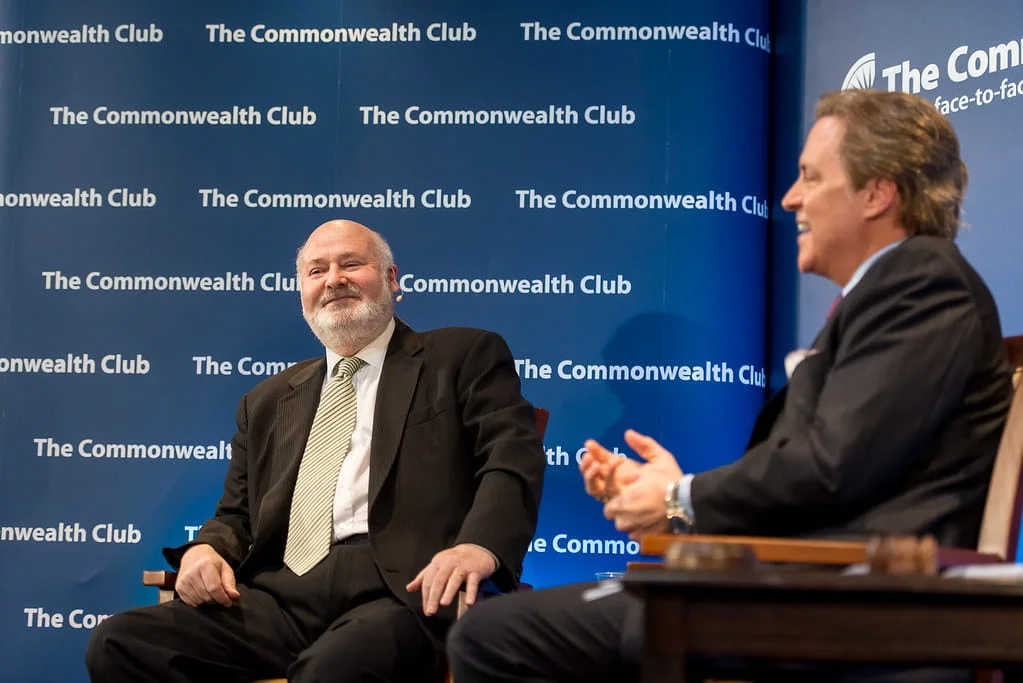
Are you looking for a simple guide to learn about the incredible life and work of Rob Reiner? Discovering details about famous directors can feel hard when online articles use confusing words.
Many pages carry extra fluff that makes fast reading tough. Rob Reiner made a huge mark on movies and television across many decades. He started as an actor on hit television shows before stepping behind the camera to make legendary films. This guide explains his journey, famous projects and recent legal news.
Who Was Rob Reiner?
Rob Reiner was a famous director, actor and activist born on March 6, 1947. He grew up in a creative family in New York before moving to Los Angeles. His father was comedian Carl Reiner and his mother was Estelle Reiner. He starred as Michael Stivic on All in the Family during the 1970s. The famous role earned him two Emmy Awards.
He later moved into directing and made several classic movies. He directed This Is Spinal Tap, Stand by the Princess Bride, and Me. He also directed When Harry Met Sally and A Few Good Men. On December 14, 2025, Rob Reiner and his wife Michele passed away at their Los Angeles home.
How Did His Early Life Shape His Career?
Growing up in a house full of artists helped him understand show business at a young age. His family hosted funny writers and actors all the time. Learning from those gatherings taught him how to build comedy bits. He decided early in life that he wanted to tell stories on stage and screen.
He attended school in California and quickly found a passion for theater. Acting gave him confidence to express big ideas. Working with other young writers helped him build strong bonds in the industry. Those early creative friendships opened important doors later in his life.
How Did His Acting Career Begin?
Before becoming a film director, he started out taking small acting roles on television during the late 1960s. He appeared on shows like The Andy Griffith Show and The Beverly Hillbillies. His work as a writer on comedy programs helped him sharpen his timing. When he joined All in the Family in 1971, his character became a cultural icon. Viewers loved his on-screen debates with his co-star Carroll O’Connor.
His success on television gave him the freedom to test new ideas in Hollywood. He worked hard to learn every side of the movie business. After leaving weekly sitcoms, he set his sights on feature film directing.
What Were His Top Movies and TV Shows?
Rob Reiner directed and acted in some of the most loved projects in Hollywood history. His work covered comedy, romance and tense drama.
Here are his main career highlights:
- All in the Family brought him early acting fame as Archie Bunker’s son-in-law
- This Is Spinal Tap launched his movie directing career in 1984
- Stand by Me showed his talent for directing emotional coming-of-age stories
- When Harry Met Sally became a major romantic comedy classic
- A Few Good Men earned wide praise as a tense courtroom drama
- Misery proved he could direct terrifying thrillers that kept people on edge
- The Princess Bride became a beloved family adventure film loved by millions
How Did His Career and Activism Change Hollywood?
Rob Reiner helped found Castle Rock Entertainment to produce major films. His work gave creators room to share fun stories. He also acted in films like Sleepless in Seattle and The Wolf of Wall Street. You can read more about his life in his detailed Rob Reiner biography.
Beyond entertainment, he used his voice for public social causes. He fought for early education funding and marriage equality. His work helped change state policies and support children.
What Made His Directing Style Special?
He had a unique talent for bringing out top performances from actors. He let scenes feel natural rather than forced. On sets, he created a comfortable space where cast members could try new ideas. This allowed his comedies to feel truly genuine and warm.
His ability to jump between totally different film styles amazed movie critics. Few creators could direct a mock rock documentary and an emotional drama back to back. His storytelling stayed clean and focused on strong characters.
How Did Castle Rock Entertainment Help Other Filmmakers?
Starting his own production company changed how movies got made in the 1990s. He wanted a company that put writers and directors first. That approach allowed unique stories to get funding when major studios said no.
Castle Rock produced massive hits that won praise around the world. The company gave freedom to artists so they could make lasting art. His leadership proved that treating creators well leads to great business results.
What Other Names Are Connected in Related Search News?
Modern entertainment news often connects various famous names and public figures in online media discussions.
Here are related names and trending news topics:
- Robert Reiner remains his full birth name across historical records
- Jean Stapleton starred alongside him during his early television years
- Karoline Leavitt appears in current political news headlines
- Eric Bieniemy and Russell Westbrook make headlines in sports media
- Tiger Woods stays a major name in international sports news
- Conan O Brien spoke about his work during television broadcast interviews
- Trump posted comments on social platforms that gained public notice
What Are the Recent 2026 Case Updates?
In December 2025, Rob Reiner and his wife were tragically killed at their home. Authorities arrested their son Nick Reiner in connection with the event.
As of August 2026, legal proceedings continue in California courts. Family members gave grand jury testimony that led to an indictment. A court date is set for September 15, 2026.
What Do Court Filings Show?
Recent filings outline the legal steps taking place in Los Angeles. Prosecutors continue gathering records to present during the main trial. Defense lawyers have filed standard motions regarding evidence review.
At the same time, civil attorneys handle questions about estate management. State laws guide how assets are handled during active criminal trials. The process ensures that all legal standards are strictly followed.
What Is the Timeline for Upcoming Hearing Dates?
Court officials have set strict deadlines for both legal teams to submit files. Evidence review takes place through late summer to prepare for upcoming hearings. Judges want to ensure that every right is protected during proceedings.
News reporters follow each update to share accurate facts with the public. Family representatives ask for privacy as the formal trial date draws near. The court process will take time to resolve all open legal questions.
How Are News Outlets Following the Story?
Major news sites update their coverage whenever new court documents get unsealed. Journalists focus on official statements rather than online rumors. Keeping facts straight helps readers understand complex legal actions.
Public interest remains high because of his major role in American culture. People who loved his movies follow news out of deep respect for his work. Official reports provide clear details as hearings move forward in California.
What Will Future Directors Learn From Him?
Future directors will study his focus on clear dialogue and character depth. He proved that one director could handle comedy, horror and drama equally well. His films will stay popular with new generations of readers and viewers.
His work shows that simple human stories connect best with audiences. Directors look at his career to learn how to manage production teams with kindness. His lasting film legacy will inspire new artists for many years to come.
Why Do His Movies Stand the Test of Time?
His movies never feel old because they focus on real human feelings. A story about friendship or true love hits the same way in every era. He avoided cheap visual tricks that look dated years later.
Instead, he relied on brilliant scripts written by top talent. Great lines delivered by great actors keep audiences coming back. New viewers discover his work every year and fall in love with his style.
How Can New Storytellers Apply His Methods?
New writers can learn a lot by watching how he paces his scenes. He never rushed the plot when characters needed space to speak. Letting moments breathe makes emotional scenes hit much harder.
He also showed that taking creative risks pays off in big ways. Doing a mock rock film seemed wild at the time, but it created a new movie genre. Believing in original ideas is the biggest lesson he leaves behind.
Wrapping It Up
Learning about Rob Reiner helps you understand how one talented creator shaped modern television and cinema. His transition from acting on hit shows to directing timeless movies created an enduring artistic footprint. If you want to experience incredible storytelling, go watch his classic films today and see his remarkable talent in action!
Frequently Asked Questions
What happened to Rob Reiner’s son?
His son Nick Reiner was arrested after the December 2025 tragedy. He faces legal proceedings in California as of August 2026.
What is Rob Reiner known for?
Rob Reiner is known for playing Meathead on All in the Family and directing iconic movies like Stand by Me.
What did Paul McCartney say about Rob Reiner’s death?
Paul McCartney shared kind words honoring the director, praising his creative talent and calling his passing a sad loss for the arts.
Who inherits Rob Reiner’s fortune?
Estate decisions remain in probate court while legal teams review trust guidelines under California state rules.
How did Rob Reiner get so wealthy?
He built wealth through decades of television acting, directing hit movies and co-founding Castle Rock Entertainment.
What was Rob Reiner’s net worth upon his death?
Reports estimate his total net worth was near two hundred million dollars from long career film royalties and television work.


