

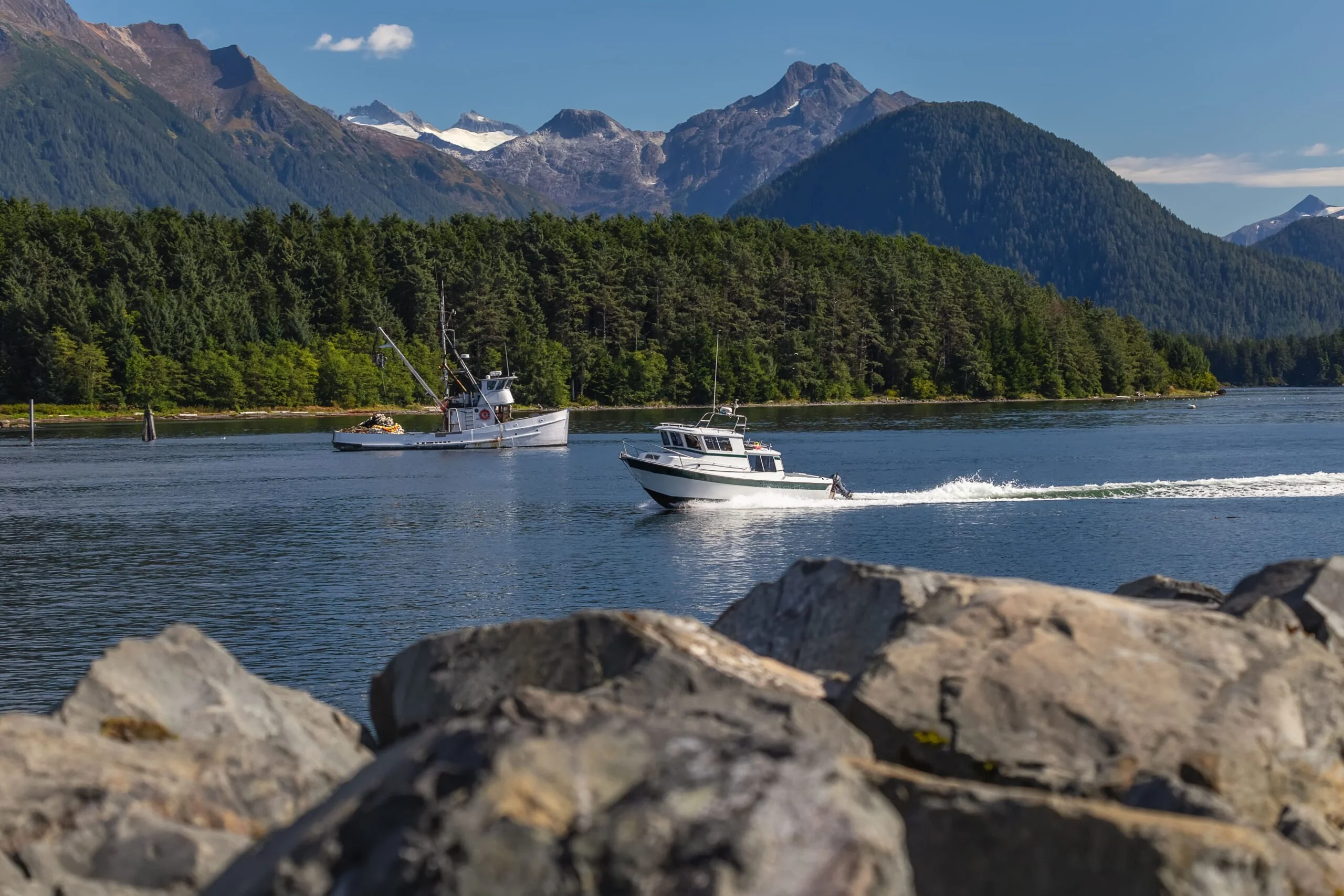
In Finland, a boat trip is rarely just about getting somewhere. Locals call it veneajelu, a word that simply means “boat ride” but carries a lot more weight than that translation suggests. It’s less about speed and more about slowing down, watching the shoreline pass, and letting the water do the work of clearing your head.
If you’re planning a trip to Finland or just curious what the word means, this guide covers what veneajelu actually is, where to try it, and how to plan one, without repeating the same generic list you’ll find everywhere else.
A Closer Look at Veneajelu
Veneajelu comes from two Finnish words, vene meaning boat and ajelu meaning a casual ride or trip. Put together, it translates to “boat ride.” But in everyday use, Finns mean something more specific: an unhurried trip on the water, taken for its own sake rather than to reach a destination.
There’s no fixed itinerary involved. You might row across a quiet lake for twenty minutes or spend a full afternoon drifting near the coast. What makes it a veneajelu rather than just a boat ride is the pace. Slow, unplanned, and never rushed.
Why Veneajelu Matters in Finnish Life
Finland has close to 188,000 lakes along with a long, island-scattered coastline, so water has always been part of daily life here, not just something to visit on holiday. Long before roads connected the country, boats were how people traveled, fished, and traded.
That history shaped how Finns think about time on the water today. A short evening ride after sauna, a weekend trip to a cottage lake, a slow paddle around a nearby island. None of it is about covering distance. It’s closer to a daily reset than a planned outing.
Benefits People Notice
Physical activity without feeling like exercise. Rowing or paddling works your arms, shoulders, and core without feeling like a workout. It’s gentle enough for beginners but still gets your heart rate up over a longer trip.
A real break from screens. Being on open water with limited phone signal tends to force a break from notifications, whether you plan it or not. Many people describe feeling noticeably calmer within the first half hour.
Time with people that doesn’t feel forced. A shared boat trip gives people something to do together without needing constant conversation. Fishing, watching the shoreline, or just sitting quietly all work fine.
Best Time of Year for Veneajelu
Late May to June: long daylight hours, cooler water, and fewer crowds. A good pick if you want quiet lakes without competing for space.
July to August is peak season with the warmest weather and the most daylight, including the midnight sun in northern areas. Expect more people on popular routes during this window.
September: Cooler air, but striking autumn colors reflected on calm water. Traffic on the lakes drops off noticeably, which some travelers actually prefer.
There isn’t a wrong time to go. Each season shows a different side of the country, so the better question is what kind of experience you want rather than which month ranks highest.
Do You Need a License?
For most small recreational boats, rowboats, canoes, and low-power motorboats, no license is required in Finland. Larger vessels or anything used commercially may need proper certification, so it’s worth checking current rules before renting if you’re planning something beyond a basic day trip. Rental companies can usually confirm what applies to the specific boat you’re booking.
How Much Does a Veneajelu Cost?
Pricing varies a lot depending on boat type and the length of the trip. Small rowboat or kayak rentals often start around 20 to 30 euros for a couple of hours. Motorboat rentals typically run higher, and multi-day or guided cruises can range from a few hundred euros up to over a thousand for longer, more luxurious trips. Booking directly with a local marina or rental company usually gets you a clearer price than a third-party booking site.
Best Places to Try Veneajelu
Helsinki Archipelago. Just outside the capital, this area includes more than 330 islands, most of which are only reachable by boat. It’s an easy option if you’re short on time, with routes ranging from a quick afternoon trip to a full day exploring smaller islands and the Suomenlinna Fortress.
Lake Saimaa, Finland’s largest lake, is home to the rare Saimaa ringed seal. Guided tours from nearby towns like Savonlinna and Puumala combine slow cruising with a real chance at spotting wildlife.
Kolovesi National Park is a motorboat-free zone, so kayaking or an electric boat is your best option here. Known for ancient rock paintings along the cliffs and a genuinely quiet, undisturbed feel.
Åland Islands: Thousands of small islands connected by ferries and sailing routes in the southwest. Each island has its own character, with red granite cliffs and a distinct maritime history worth exploring.
Lapland’s Northern Lakes, Päijänne, Oulujärvi, and Inari offer a wilder, less crowded experience. Depending on the season, you might catch the midnight sun or, later in the year, the northern lights from the water.
Is Veneajelu Eco-Friendly?
Mostly, yes, especially if you choose a rowboat, sailboat, or electric motor rather than a traditional fuel-powered engine. Even with a standard motorboat, the environmental impact tends to be low compared to most other forms of travel or tourism. Many rental companies are also shifting toward electric and solar-powered boats, which cuts down on both noise and water pollution.
Planning Your Own Trip
A few basics make the difference between a smooth trip and a stressful one:
- Check the weather before you leave. Conditions on Finnish lakes and coastal waters can shift fast.
- Pack a waterproof bag for your phone, camera, or anything you don’t want to get wet.
- Bring layers, even in summer, since evenings on the water can get cool quickly.
- Tell someone your planned route and expected return time before you head out.
- If you’re new to boating, start with a shorter trip on calm water before attempting anything longer.
Wrapping It Up
Veneajelu isn’t a complicated idea. It’s just time on the water without a reason to rush. Whether that’s a short row across a quiet lake, an afternoon in the Helsinki Archipelago, or a longer trip through Lapland’s northern lakes, the point stays the same: slow down, watch the shoreline, and let the trip be the whole plan.
Frequently Asked Questions
What does veneajelu mean?
It translates literally to “boat ride,” combining vene (boat) and ajelu (ride). In practice, it refers to a relaxed, unhurried trip on the water rather than a fast way to get somewhere.
Do I need to own a boat to try veneajelu?
No. Rowboats, motorboats, and even yachts are available to rent in most areas with lakes or coastlines. Guided tours are also widely available if you’d rather not handle a boat yourself.
What’s the best time of year for veneajelu in Finland?
Summer offers the longest days and warmest weather, but autumn brings striking colors and quieter lakes. Any time you can get out on the water offers a different, worthwhile experience.
Is veneajelu environmentally friendly?
Generally, yes, particularly with rowboats, sailboats, or electric motors. Even traditional motorboats have a relatively small environmental footprint compared to most other travel options.


